Press the drive-mode button, and the same car suddenly feels different. The accelerator responds sooner, the transmission holds a gear, or the steering feels heavier. Nothing under the hood was physically replaced. The controls have changed how the available equipment responds.
Drive modes give one vehicle several operating personalities or strategies. Which changes are real on your car depends on its hardware. A mode label alone doesn't promise more horsepower, a different suspension, or better grip on every surface.
Drive Modes Change How the Accelerator Responds
On most modern vehicles, the accelerator pedal sends an electronic request. The controls translate that request into engine torque. A Sport setting may make a small pedal movement demand a stronger response, while Eco may spread the request more gradually across the pedal's travel.
That sharper feeling isn't automatically an increase in maximum engine output. Some vehicles do change power or other engine settings, but many mainly change response. The distinction becomes clear when you compare a gentle start with a full-power acceleration request. Read the vehicle's description of what each mode actually adjusts.
Transmission Settings Change the Pace of Gear Shifts
A performance-oriented mode often holds lower gears longer or downshifts more readily. An economy setting usually favors earlier upshifts under light load. Towing or hill-related modes may choose gears to manage load and reduce repeated shifting, depending on the vehicle.
Those changes can explain a higher cruising RPM or a stronger response when passing. They shouldn't be used to excuse a new harsh shift, slipping, or delayed engagement. If the transmission now behaves badly in a mode that previously felt normal, describe that change rather than assuming the setting makes it acceptable.
Steering and Suspension Modes Need the Right Hardware
Electric steering assistance can be adjusted to change how much effort the driver feels at the wheel. A heavier setting may feel more deliberate without changing the car's actual tire grip. Steering response also depends on tire condition, alignment, and the mechanical parts locating the wheels.
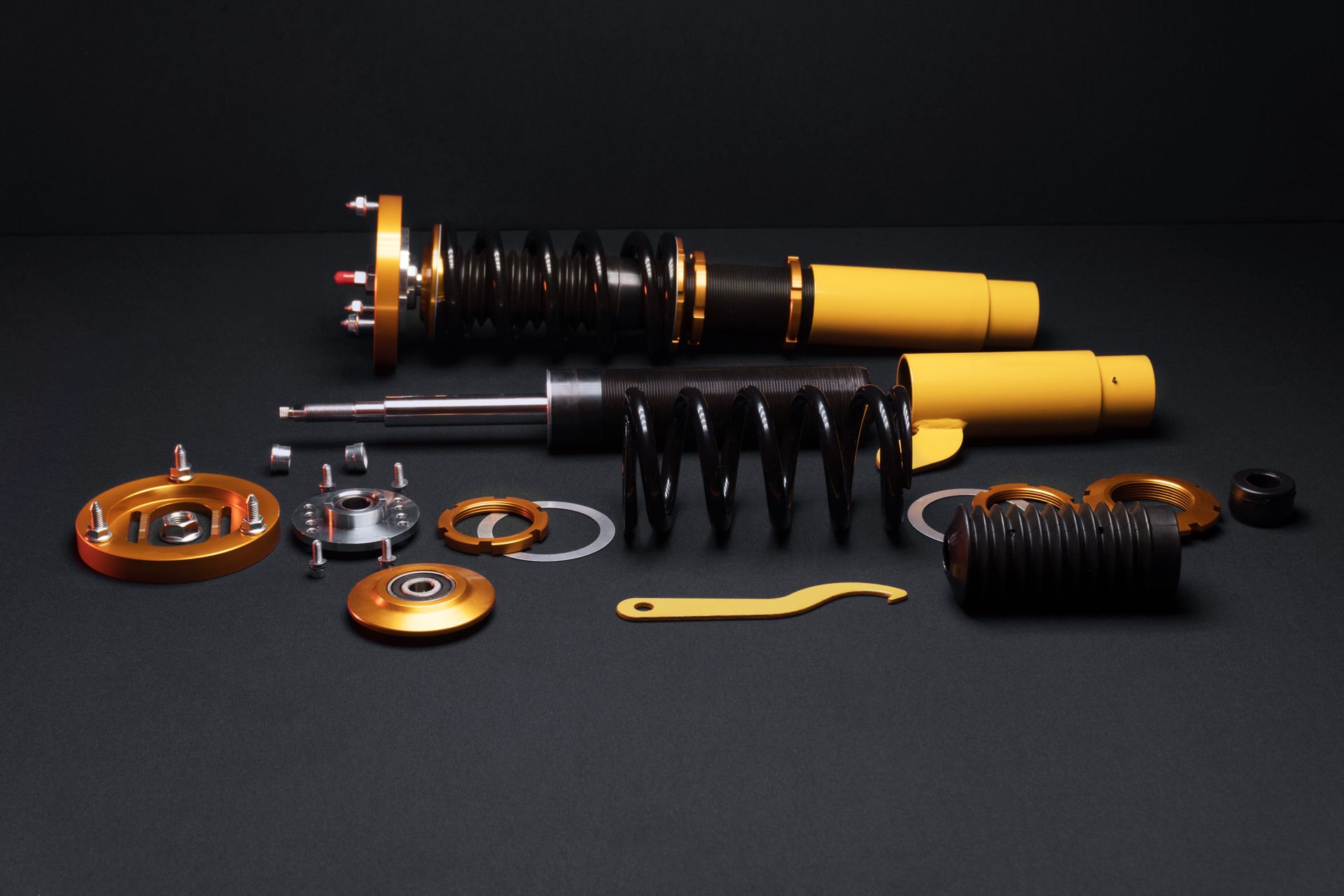
Cars with adaptive dampers may change damping behavior between comfort and performance settings. A vehicle with conventional fixed dampers can't electronically vary damping with a dashboard button. The owner's manual and equipment list explain whether the suspension is being adjusted or the mode is only changing other controls.
Snow and Traction Modes Manage Available Grip
Slippery-surface modes may soften accelerator response, alter gear selection, or change how driven wheels are managed. Some AWD or terrain-equipped vehicles offer more specialized settings. These features help control the force applied through the tires under the conditions they were designed for.
They don't create traction where the tires have little grip. Snow mode won't make a worn tire stop like a sound winter tire, and AWD doesn't shorten every emergency stop. Follow the manual's mode limits and keep the stability and traction features configured as instructed. Switching them off because a mode feels less powerful removes assistance that may be working as intended.
Eco Modes Also Adjust Comfort and Energy Use
Some Eco settings alter air conditioning, heating, or other energy demands. Hybrid and electric vehicles may also change how readily power is delivered or how energy is recovered. The effect depends on the vehicle's design and the conditions.
A less aggressive climate setting may be noticeable on a hot day even when the driving response feels similar. Visibility and passenger needs still take priority. Don't reduce defogging or cooling to an unsafe level to preserve a small economy improvement. A drive mode should support the trip, not make the cabin harder to see out of or tolerate.
Choose Drive Modes by Their Actual Purpose
Before experimenting, check:
- Which controls each mode changes
- Whether the setting is retained after shutdown
- The surfaces or loads a specialized mode is intended for
- Any limits on selecting it while moving
- What warning messages mean if a mode becomes unavailable
- Whether tire or equipment requirements apply
Normal mode is often a sensible everyday starting point. There is no need to cycle through every setting on a routine commute. Learn the controls while parked, then use the setting that fits the road and the manufacturer's instructions.
A Drive-Mode Warning Needs the Related Fault Checked
A mode may become unavailable because another required function has a fault. Shared sensor information, suspension equipment, or powertrain controls may be involved. Testing should identify what the vehicle is reporting before a switch or control module is replaced.
Get Driveability Service in Sebring, FL, With Highlands Complete Auto
Highlands Complete Auto in Sebring, FL, can review drive-mode warnings, unusual shifting, or changes in accelerator and steering response. Explain which setting is active when the problem happens.
Contact us to schedule vehicle testing and driveability service.