A car that struggles to start can make the battery look guilty right away. You turn the key or press the button, the engine cranks slowly, the lights dim, or the vehicle needs a jump to start.
Sometimes the battery really is done.
Other times, the battery is only drained because the alternator is not keeping it charged. A weak connection, worn belt, bad ground, or electrical draw can confuse the picture even more. The symptoms overlap, so the best answer comes from testing the whole starting and charging system.
The Battery Starts The Car
The battery’s main job is to provide the power needed to start the engine. It also wakes up the vehicle’s computers, lights, locks, and other electrical systems before the alternator takes over.
A weak battery can still power the dashboard, radio, and interior lights. Those smaller loads do not prove that it has enough strength to crank the engine. Starting the engine takes much more current.
Battery age, Florida heat, short trips, long parking periods, and repeated jump starts can all shorten battery life. If the battery is several years old and the car is cranking slowly, battery replacement may be the right repair.
The Alternator Keeps The Battery Charged
Once the engine is running, the alternator produces electrical power. It runs the vehicle’s electrical systems and recharges the battery after startup.
If the alternator is weak, the battery may slowly lose charge while you drive. The battery may test low, but the real issue is that it is not being recharged properly. Replacing the battery alone may help for a few days, but then the same problem comes back.
A failing alternator can also cause dim headlights, flickering dashboard lights, weak accessories, warning lights, or a vehicle that dies after being jump-started. Those signs point beyond the battery.
Slow Cranking Usually Starts With Battery Testing
Slow cranking is one of the clearest battery clues. The engine turns over, but it sounds tired. You may hear clicking, see lights dim during startup, or notice the problem is worse after the car sits overnight.
A battery test should check more than basic voltage. A battery can show decent voltage while sitting and still fail under load. Load testing shows whether it can deliver the power needed when the starter asks for it.
Battery terminals and cables should be checked at the same time. Corrosion or loose connections can make a good battery act weak.
The Battery Light Can Be Misleading
The dashboard battery light does not always indicate that the battery itself has failed. When it comes on while driving, it often indicates that the charging system is not functioning correctly.
The alternator may not be charging enough. The belt may be slipping. A cable or ground may be loose. The battery may also be unable to accept the charge properly.
If the battery light stays on while driving, do not ignore it because the car still runs. The vehicle may be running on stored battery power. Once that power drops too low, the engine can stall and may not restart.
Clues That Help Separate The Two
Battery and alternator problems can feel similar, but the timing of the symptom can help narrow things down.
- The car cranks slowly after sitting overnight
- This often points toward a weak battery, poor connection, or electrical draw while parked.
- The car starts after a jump, but dies while driving
- This often points toward alternator or charging system trouble.
- The battery is new, but it keeps going dead
- The alternator, cables, grounds, belt, or a parasitic draw should be checked.
- The battery light comes on while driving
- The charging system needs attention, even if the battery is still fairly new.
- Electrical accessories get weaker as you drive
- The alternator may not be keeping up with the vehicle’s power demand.
These clues are useful, but testing still matters because a single bad connection can mimic several different failures.
Bad Connections Can Create False Symptoms
Corroded terminals, loose cable ends, damaged wires, or weak grounds can interrupt power flow. The battery may be charged, and the alternator may be working, but power may still not flow cleanly through the system.
White, blue, or green buildup around the battery terminals is a common clue. A cable can also have hidden corrosion under the insulation. Grounds can loosen or corrode where they attach to the engine or body.
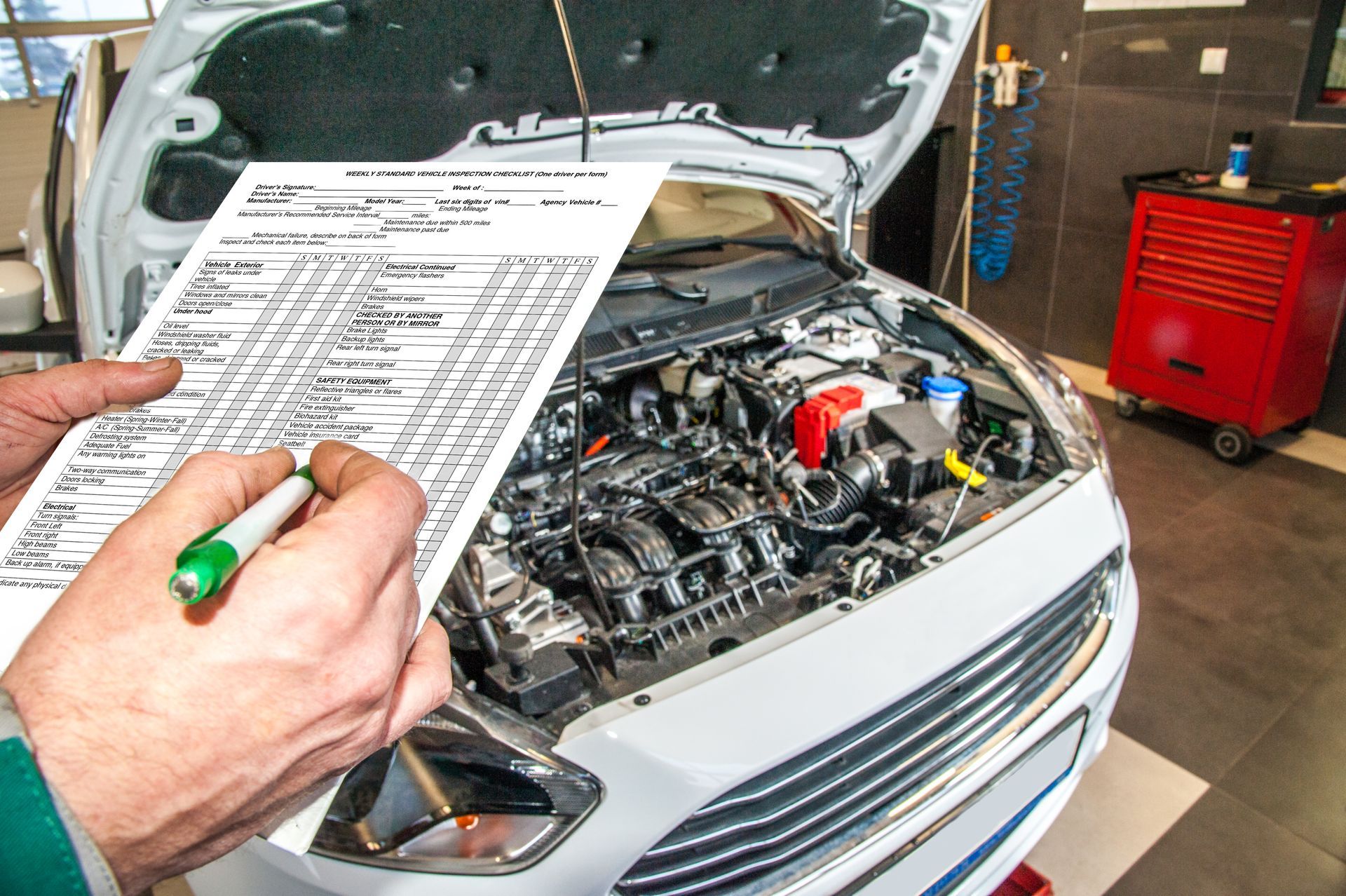
An inspection should include voltage drop testing, terminal condition, cable tightness, and ground connections. Cleaning or repairing a connection can sometimes solve a problem that looked like a bad battery or alternator.
A Belt Problem Can Affect Charging
The serpentine belt drives many alternators. If the belt is cracked, glazed, loose, contaminated with oil, or the tensioner is weak, the alternator may not spin correctly.
A slipping belt can cause squealing at startup, flickering warning lights, or charging problems that come and go. The issue may worsen when the A/C, headlights, rear defroster, or blower motor is running, as electrical demand increases.
Regular maintenance should include belt and tensioner checks. A worn belt can affect more than charging on vehicles, as it also drives other important accessories.
Get Battery And Alternator Service In Sebring, FL, With Highlands Complete Auto
If your vehicle cranks slowly, needs jump starts, shows a battery light, or keeps losing electrical power, Highlands Complete Auto in Sebring, FL, can test the battery, alternator, cables, grounds, belt, and charging system.