A check engine light has a bad reputation because it can come on even when the car still seems perfectly usable. The engine starts, the vehicle drives, and nothing feels severe enough to force an immediate change in plans. That is exactly why people put it off. The warning feels abstract until the car begins acting up in a way that is harder to dismiss.
That delay is where a manageable repair can start growing into a much larger one.
Why The Light Comes On In The First Place
The check engine light is not a maintenance reminder. It is the vehicle’s way of telling you the computer has detected a fault in the engine, emissions, fuel, ignition, or control system. Some of those faults are minor in the beginning. Others point to a problem that is already affecting how the engine runs or how cleanly it burns fuel.
A car does not need to run terribly for the light to come on. Modern vehicles watch sensor readings and system performance closely, so they can spot trouble before the driver feels a major difference on the road.
Why The Car Can Still Feel Fine
Some drivers assume that if the engine feels normal, the warning must not be very important. The problem with that thinking is simple: the computer can catch issues early, long before they become obvious from the driver’s seat. A weak oxygen sensor, a small EVAP leak, an early ignition problem, or a fuel-control issue can trigger the light while the car still feels mostly normal.
That does not make the warning harmless. It means the vehicle is giving you a chance to deal with the problem before it gets worse.
Small Problems Rarely Stay Small
A check engine light can start with something as simple as a sensor fault or emissions leak. Left alone, that same issue can start affecting fuel economy, throttle response, idle quality, or catalytic converter life. What began as one fault code can gradually pull more parts into the problem.
That is why timing matters so much here. Catching the issue early keeps the repair focused. Waiting gives the fault more room to cause extra wear, heat, or stress in nearby systems.
What The Light Can Be Warning You About
The range is wide, which is another reason the light should not be ignored. A few common causes include:
- A loose or failing gas cap
- A bad oxygen sensor
- Worn spark plugs or failing ignition coils
- A vacuum leak
- A mass airflow sensor problem
- Catalytic converter trouble
Some of those are more urgent than others. None of them should be treated like a warning that means nothing.
Steady Light vs. Flashing Light
A steady check engine light and a flashing one are not the same thing. A steady light usually means the car should be inspected soon, even if it is still drivable. A flashing light is far more serious. That generally points to an active misfire severe enough to risk damaging the catalytic converter.
If the light is flashing, continuing to drive can get expensive quickly. At that point, it is smarter to stop driving as soon as it is safe and have the vehicle checked right away.
Why Clearing The Light Is Not A Fix
Some drivers try clearing the code and seeing whether the light comes back. That can make the dashboard look better for a little while, but it does not solve the cause. If the problem persists, the light will return once the system detects the fault again.
Resetting the light can also make diagnostic harder if it wipes out useful information the technician could have used. A proper inspection gives you a real answer. Clearing the code delays it.
What Ignoring It Can Cost You
The biggest mistake is thinking the light only matters once the car runs badly. By then, the original fault may have had weeks or months to spread. Fuel economy drops. Emissions rise. Engine performance slips. In some cases, a misfire or running rich can overheat the catalytic converter, turning a smaller repair into a very costly one.
Regular maintenance helps reduce surprises, but once the light is on, the smartest move is to find out why. A code scan and inspection cost much less than replacing parts that failed because the first warning sign went unheeded.
What To Do When The Light Comes On
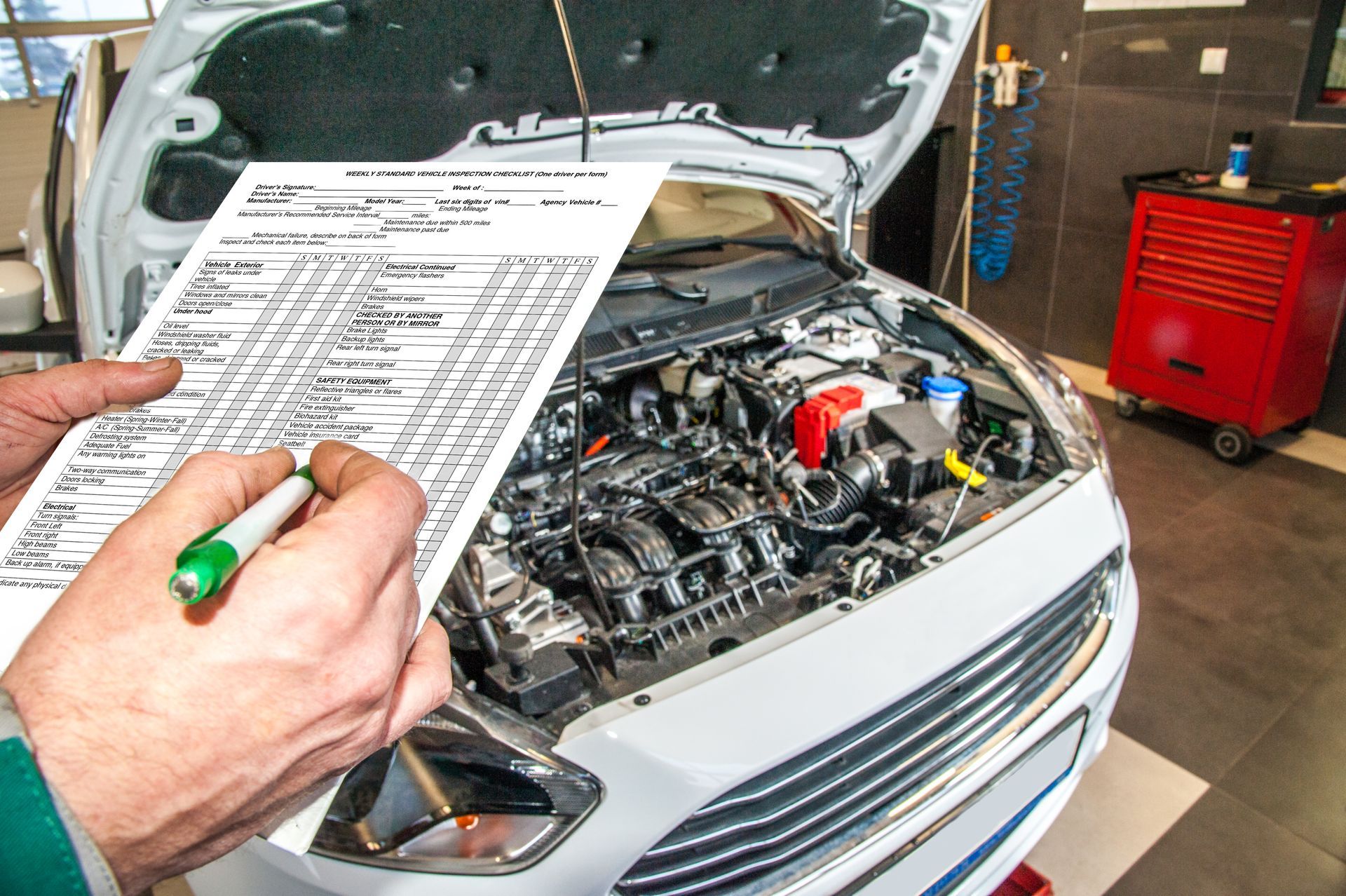
Start by paying attention to how the car feels. Notice whether the light is steady or flashing. Watch for rough idle, hesitation, lower fuel economy, strange smells, or changes in how the engine responds. Those details can help narrow the cause down faster.
Then schedule an inspection instead of waiting for the problem to decide for you. The earlier the source is identified, the better the odds of keeping the repair simple.
Get a Check Engine Light Diagnostic In Sebring, FL, With Highlands Complete Auto
If your check engine light has come on, Highlands Complete Auto in Sebring, FL, can inspect the vehicle, read the stored faults, and pinpoint the cause before a minor issue becomes a much larger repair.
Bring it in while the warning is still early and easier to deal with.