Many costly repairs begin with a small issue that could have been found earlier. A slow coolant leak becomes an overheated engine, worn brake pads damage the rotors, or low transmission fluid creates heat and internal wear. The vehicle may continue driving normally until the affected part reaches its limit.
Preventive service gives technicians a chance to catch fluid loss, worn components, and developing performance problems before they spread. The goal is not to replace parts unnecessarily. It is to protect the systems that keep the vehicle starting, stopping, cooling, and delivering power reliably.
1. Engine Oil And Filter Service
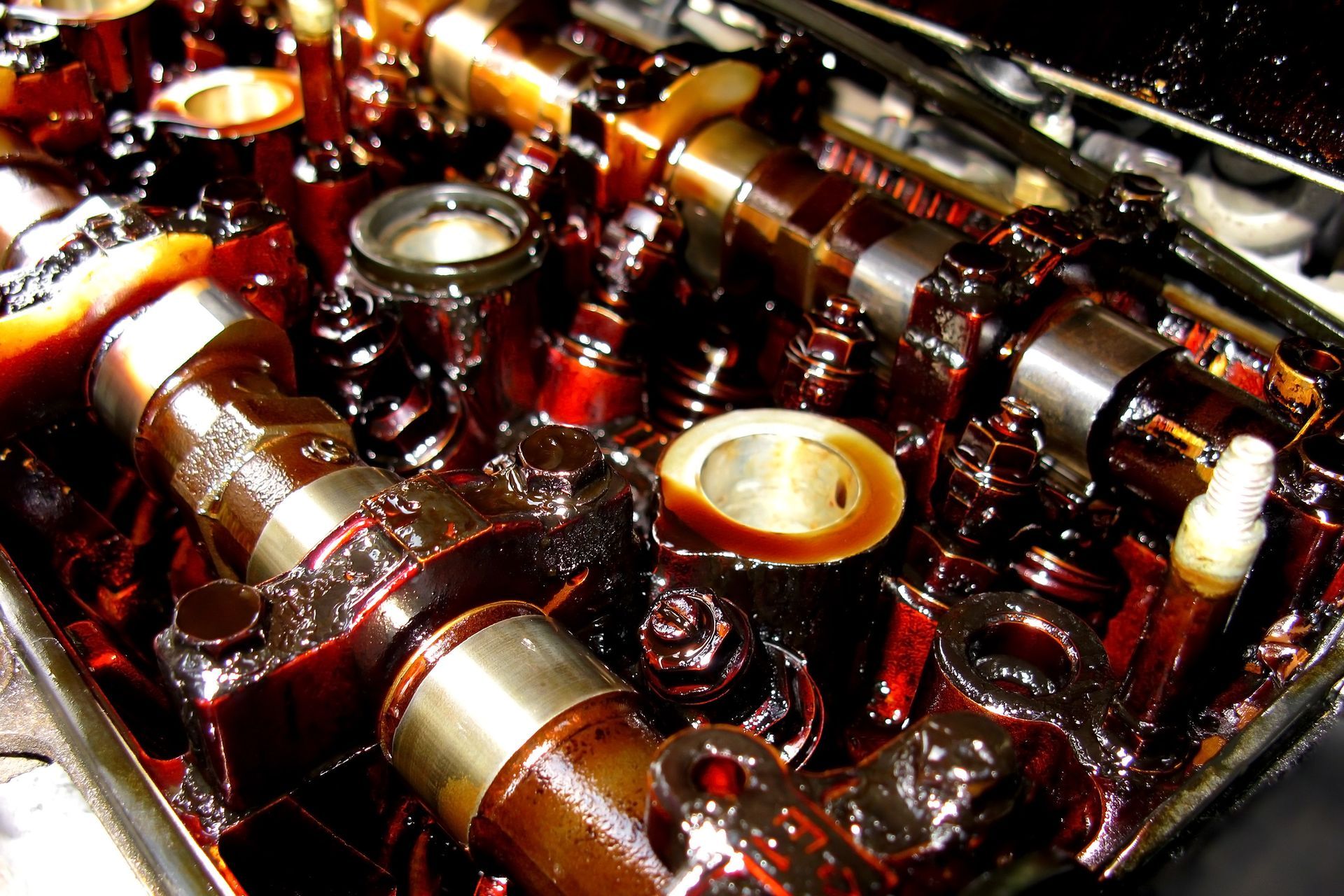
Engine oil lubricates bearings, camshafts, timing components, pistons, and other moving parts. It also carries heat and contamination away from high-friction areas. As the oil ages, its additives weaken and it becomes filled with carbon, moisture, and particles created during normal operation.
Waiting too long between oil changes can allow sludge and deposits to restrict small passages. Low oil creates an even greater risk because the engine may lose lubrication during turns, braking, or highway driving. Using the correct oil specification and replacing the filter at the proper interval helps protect internal components that are far more expensive than routine service.
Oil service is also a useful time to look for leaks around the valve covers, oil pan, filter housing, drain plug, and timing cover. Finding a damp gasket before the oil level drops significantly can prevent belt damage, burning odors, and internal engine wear.
2. Cooling System Service
The cooling system keeps the engine within a controlled temperature range. Coolant circulates through the engine, radiator, heater core, thermostat, water pump, hoses, and fittings. If the level falls or circulation becomes restricted, engine temperature can rise quickly.
Sebring heat can expose a weak cooling system, especially during traffic, long periods of idling, or trips with the A/C operating. A small leak may leave only dried residue or a sweet smell before it becomes large enough to create a puddle. Plastic connections, radiator seams, hoses, thermostat housings, and water pump seals all deserve attention.
Cooling system service may include checking coolant condition, testing the system for pressure loss, and confirming that the fans operate correctly. Old coolant can lose corrosion protection, while a weak cap or restricted radiator can reduce the system’s ability to manage heat. Early service can help prevent cylinder head, gasket, and internal engine damage caused by overheating.
3. Transmission And Drivetrain Fluid Service
Automatic transmission fluid creates hydraulic pressure, lubricates internal parts, and carries heat toward the cooler. As it ages, the fluid may lose its friction and protective qualities. Low fluid can allow the pump to draw air, leading to delayed engagement, slipping, harsh shifts, or overheating.
Transmission fluid usually becomes low because of a leak. Common sources include the pan gasket, cooler lines, axle seals, output seals, and electrical connector sleeves. Many newer vehicles have no dipstick, so the fluid may need to be checked through a service plug while the transmission is within a specific temperature range.
Four-wheel-drive and all-wheel-drive vehicles may also require transfer case and differential service. These components contain gears, bearings, seals, and fluid that can wear or leak over time. Following the correct service procedure helps protect the entire drivetrain rather than focusing only on the engine.
4. Brake, Tire, And Suspension Checks
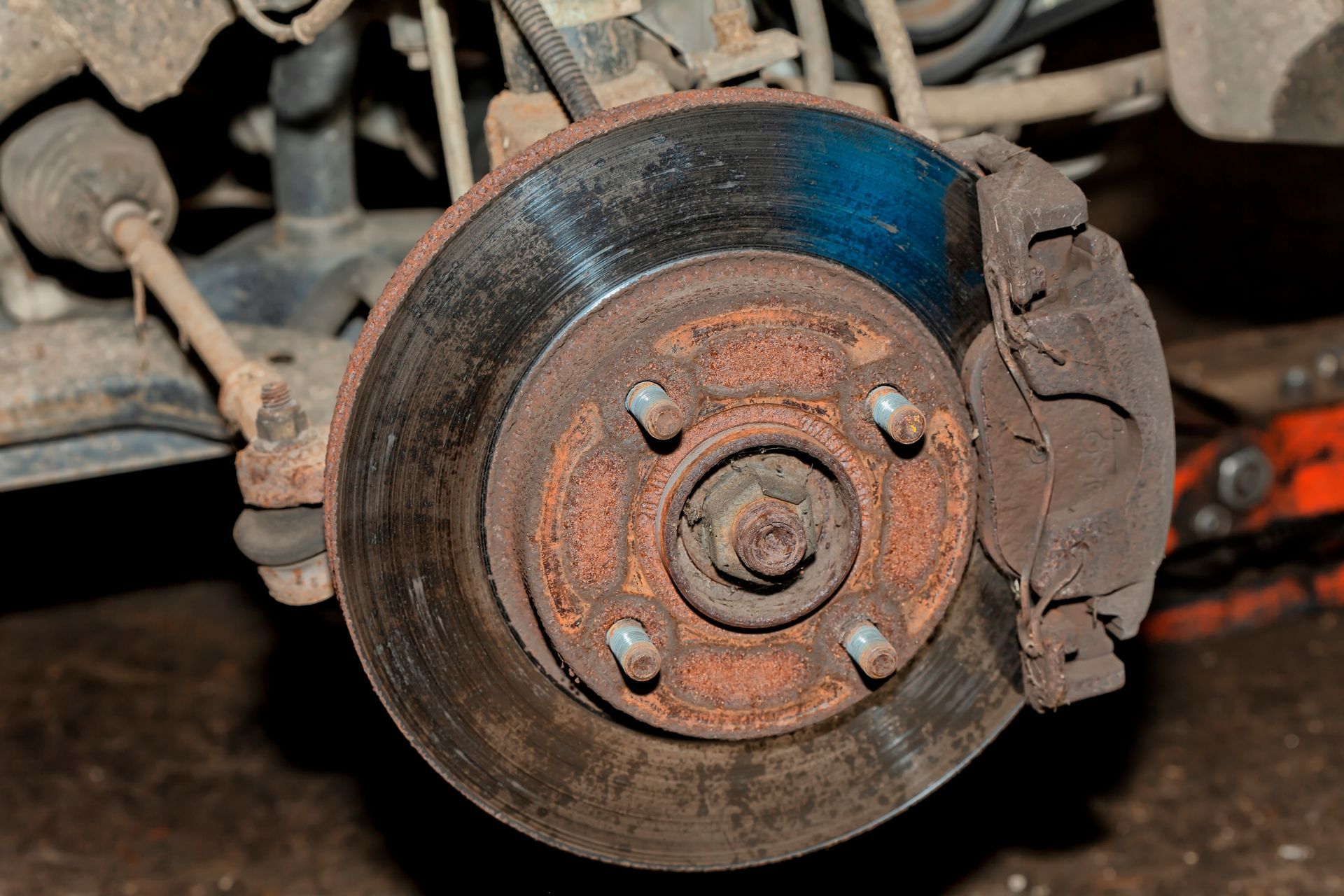
Brakes, tires, and suspension parts work together whenever the vehicle stops or changes direction. Thin brake pads may still stop the car, but waiting until they grind can damage the rotors and create excess heat around the calipers and wheel bearings.
A brake inspection should include pad thickness, rotor condition, caliper movement, hoses, hardware, and fluid condition. Uneven wear may point toward a sticking caliper or restricted brake hose. A soft pedal, pulling during stops, or one wheel producing a burning smell should be checked promptly.
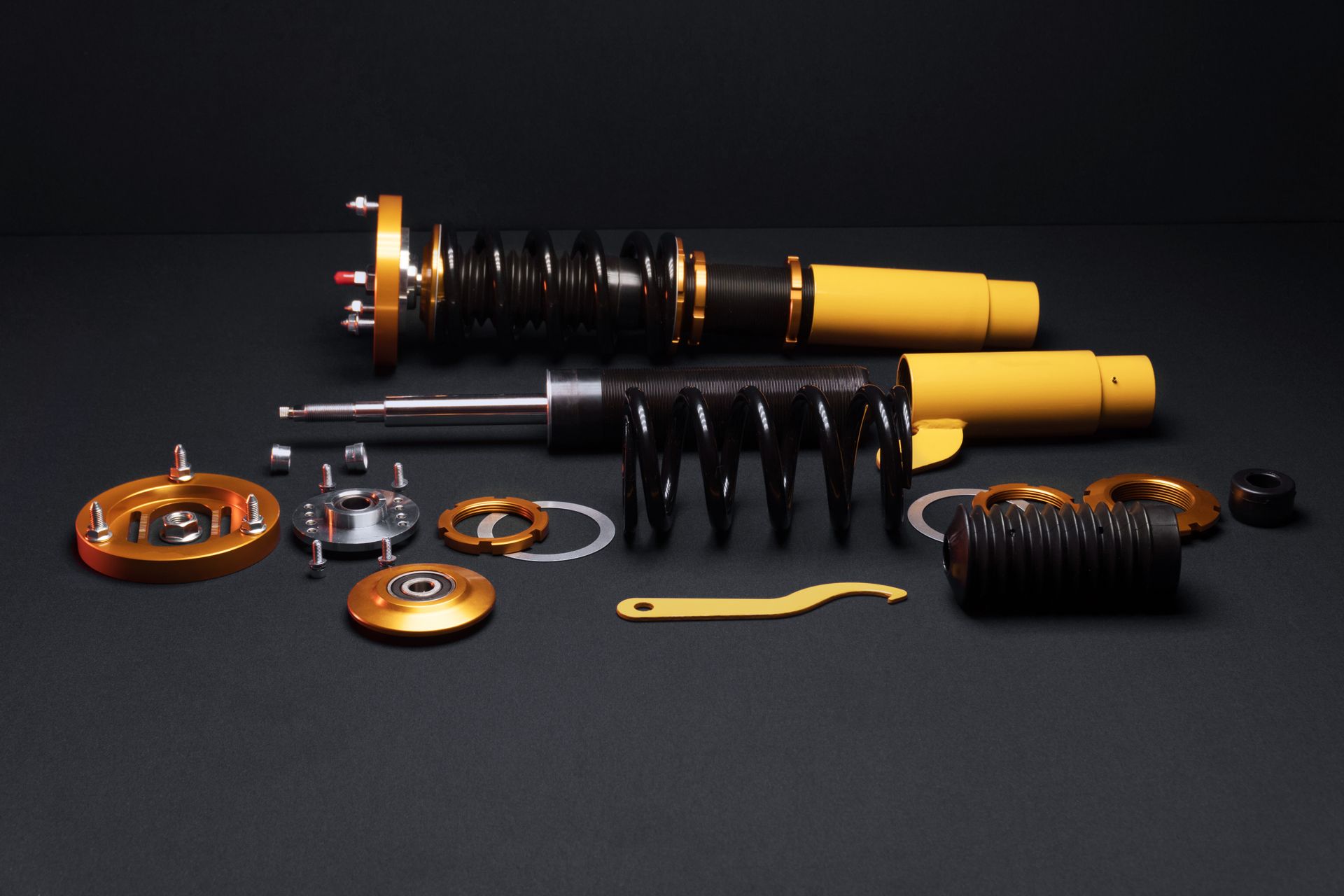
Tires and suspension components also provide early evidence of developing trouble. Cupped tread may indicate weak shocks or poor wheel balance, while worn inner edges can point toward alignment or loose steering parts. Checking tire pressure, tread, bearings, ball joints, tie rods, bushings, shocks, and struts can prevent a minor handling concern from shortening tire life or affecting control.
5. Battery, Belt, And Hose Service
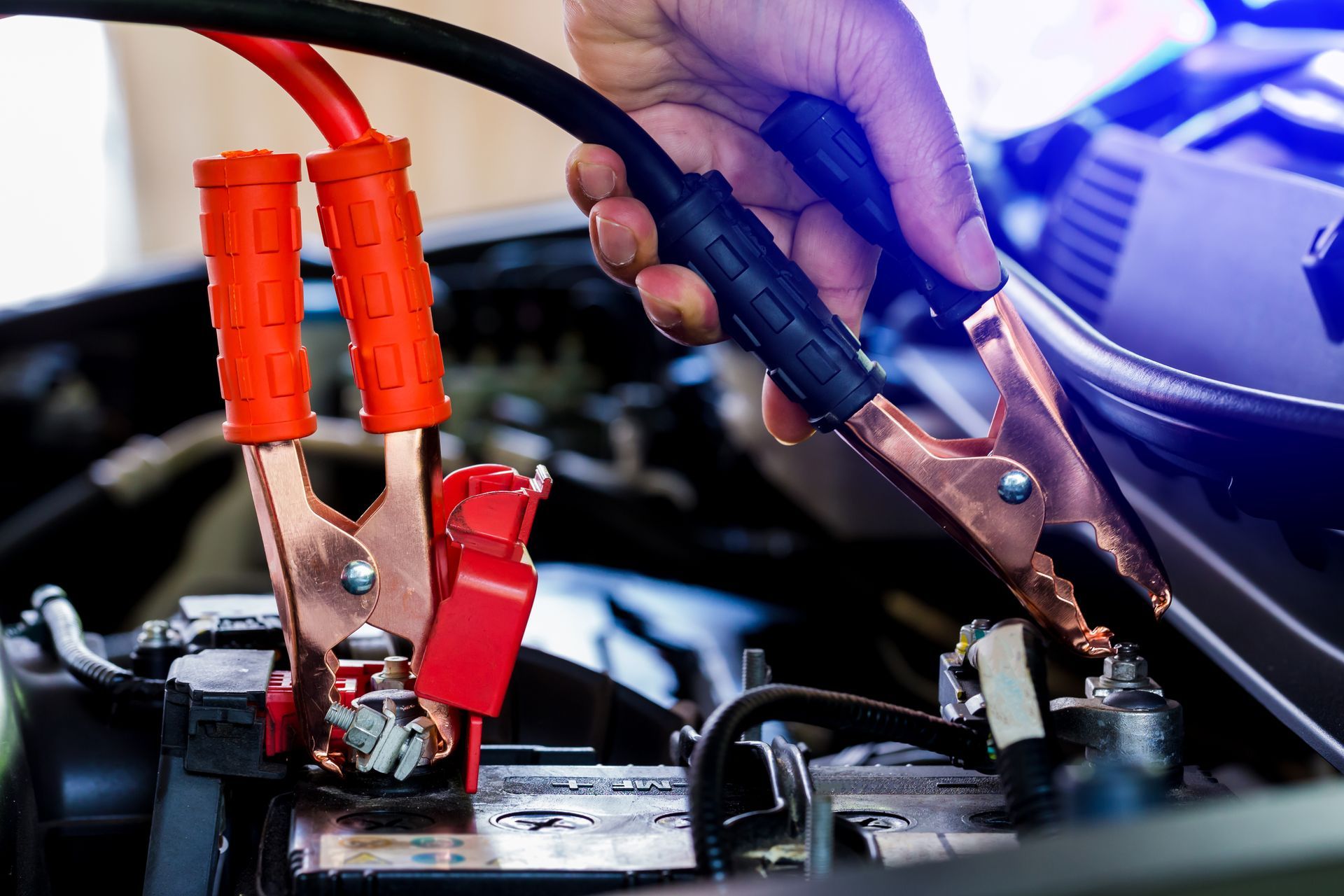
A weak battery can start the engine normally one day and fail the next. Heat accelerates internal battery wear, making testing especially useful in Florida. Slow cranking, flickering lights, or electrical settings that reset can appear before the battery loses enough capacity to leave the vehicle unable to start.
The alternator, starter, cables, terminals, and grounds should be tested along with the battery. Replacing the battery alone will not correct poor charging or hidden resistance inside a cable. Stable voltage is also important for the engine computer, transmission controls, cooling fans, and A/C system.
Belts and hoses age through heat, vibration, and fluid exposure. A worn serpentine belt may crack, glaze, or begin separating, while a weak tensioner can allow it to slip. Coolant hoses can swell or soften near their connections. During regular maintenance, checking these parts can help prevent a broken belt, rapid coolant loss, overheating, or a charging-system failure.
Build A Service Plan Around Your Vehicle
Maintenance needs vary based on mileage, age, engine design, driving habits, and service history. A vehicle used for short trips may collect moisture and contamination faster, while one used for towing or long highway travel may place greater demand on its fluids and cooling system.
Keeping service records makes it easier to prioritize what is due and avoid repeating work unnecessarily. New noises, warning lights, smells, leaks, and changes in braking or shifting should also be addressed between scheduled visits rather than postponed until the next major service.
Get Preventive Maintenance In Sebring, FL, With Highlands Complete Auto
Highlands Complete Auto in Sebring, FL, can service your engine oil, cooling system, transmission fluids, brakes, tires, battery, belts, hoses, and suspension components.